
11 Mint Alternatives for Smarter Budgeting and Financial Tracking
- Written By: Jason Vitug
- Last Updated:
- No Comments
Disclosure: The article may contain affiliate links from partners who may compensate us. However, the words, opinions, and reviews are our own. Learn how we make money to support our mission.
Need some Mint alternatives?
Mint has long been a popular choice for personal finance management, but it’s not the only game in town.
Whether you’re looking for more robust features, a different user interface, or enhanced privacy, there are plenty of alternatives to Mint that cater to various financial needs.
Table of Contents
In this list, we’ll explore the best Mint alternatives to help you find the perfect fit for your budgeting and financial tracking goals. You’ll notice the alternatives to Mint are not free apps.
By paying for a budgeting tool, you’ll help fund the app’s continued development.
1. Simplifi
Best For: People looking for a customizable, all-in-one budgeting solution.
Simplifi by Quicken offers a modern, intuitive interface with features that help you track your spending, plan your finances, and manage your goals. It’s a great choice for users who want a budgeting tool that’s powerful yet easy to use. Start using Simplifi.
Key Features
- Real-time spending tracking and categorization.
- Customizable financial insights and dashboards.
- Goal-setting tools for short- and long-term financial objectives.
Cost: $5.99/month with a 30-day free trial.
Why It’s a Great Alternative: Simplifi balances simplicity and advanced features, making it ideal for people who want a comprehensive, user-friendly budgeting app.
Learn more about Simplifi.
2. Empower
Best For: Individuals looking for a mix of budgeting and wealth management tools.
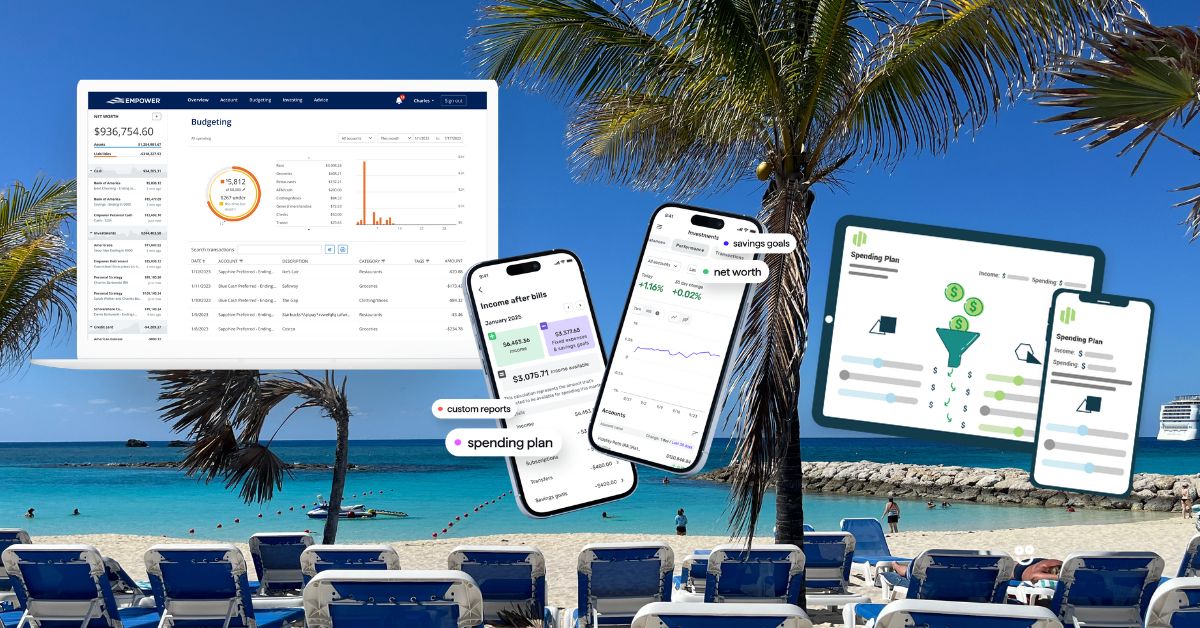
Empower combines basic budgeting tools with advanced features like investment tracking and retirement planning, making it an all-in-one solution for those with more complex financial needs. Start using Empower Budget.
Key Features
- Budgeting and expense tracking.
- Investment portfolio analysis and retirement planning.
- Free financial dashboard.
Cost: Free for budgeting tools; advisory services have associated fees.
Why It’s a Great Alternative: Empower bridges the gap between budgeting and long-term financial planning, offering capabilities far beyond Mint’s scope.
Learn more about Empower Budget.
3. Monarch Money
Best For: Users managing shared expenses for couples and families.
Monarch makes tracking personal and shared expenses easy, making it ideal for couples or familes. Its clean design and spending analytics help users stay on top of their financial goals. Start using Monarch Money.
Key Features
- Combines budgeting, investment tracking, and goal setting in a single platform.
- Tailor budgets, goals, and reports to fit your unique financial situation.
- Clean and intuitive interface for seamless navigation
Cost: $14.99 per month or $99.99 per year (equivalent to $8.33 per month).
Why It’s a Great Alternative: Spendee’s shared wallet feature sets it apart, making it an excellent choice for managing finances with others.
Learn more about Monarch.
4. CountAbout
Best For: Former Mint or Quicken users looking for data import options.
CountAbout is unique in its ability to import historical data from Mint and Quicken, making it a fantastic choice for users transitioning away from these platforms. It’s a no-frills budgeting app that prioritizes functionality and privacy. Get CountAbout Today.
Key Features
- Data import from Mint and Quicken.
- Customizable categories and budgeting tools.
- Ad-free interface for distraction-free use.
Cost: $9.99/year for Basic; $39.99/year for Premium with account synchronization.
Why It’s a Great Alternative: If maintaining your financial history is important, CountAbout offers seamless data migration and privacy-focused features.
Learn more about CountAbout.
5. PocketGuard
Best For: Users who want to track their discretionary income.
PocketGuard simplifies budgeting by focusing on how much money you have “in your pocket” after bills, goals, and necessities. Its visual approach helps you stay on top of spending without overwhelming you with features.
Key Features
- Automatic transaction syncing.
- Discretionary income tracking.
- Custom spending categories and goals.
Cost: Free version available; Plus plan starts at $12.99/month or $74.99/year (free 7-day trial).
Why It’s a Great Alternative: PocketGuard’s simple “left-to-spend” feature provides clarity for those who want to avoid overspending without digging into complex budget categories.
Learn more about PocketGuard.
6. YNAB (You Need a Budget)
Best For: Proactive budgeters and financial goal-setters.
YNAB is a powerful budgeting tool built around zero-based budgeting principles. Instead of just tracking spending, it encourages users to assign every dollar a job, helping you prioritize savings, pay off debt, and embrace financial control.
Key Features
- Zero-based budgeting system.
- Goal tracking and expense planning.
- Comprehensive educational resources.
Cost: $14.99/month or $109/year (free 34-day trial).
Why It’s a Great Alternative: If you want a more hands-on, proactive approach to your finances, YNAB offers robust tools that Mint doesn’t provide.
Learn more about YNAB.
7. EveryDollar
Best For: Fans of Ramsey Solutions and simple budgeting.
EveryDollar, created by Dave Ramsey’s team, focuses on simplicity and usability. Its intuitive interface helps users create monthly budgets aligned with their income and expenses.
Key Features
- Zero-based budgeting.
- Expense tracking with manual or automated entry.
- Guided financial planning resources.
Cost: Free basic version; $17.99/month or $79.99/year (free 14-day trial).
Why It’s a Great Alternative: If you need a simple, streamlined budgeting app, EveryDollar is an excellent choice. The premium version also integrates with your bank for automated transaction tracking, a feature Mint users may find appealing.
Learn more about Everydollar.
8. Goodbudget
Best For: Envelope budgeting enthusiasts.
Goodbudget uses the time-tested envelope budgeting system in a digital format. Instead of syncing directly to your bank, it focuses on manual budgeting, which can help you become more mindful of your spending.
Key Features
- Digital envelope budgeting system.
- Expense sharing for couples or families.
- Simple, manual transaction tracking.
Cost: Free version available; Plus plan at $10/month or $80/year.
Why It’s a Great Alternative: Goodbudget is ideal for those who prefer a hands-on, traditional approach to managing their money without syncing to bank accounts.
Learn more about Goodbudget.
9. Copilot
Best For: Apple users who value intuitive design.
Copilot is an iOS-exclusive app that simplifies personal finance management with a clean, user-friendly interface. It categorizes spending automatically and provides insights into your financial habits.
Key Features
- AI-driven spending categorization.
- Subscription tracking and custom budgeting tools.
- Aesthetic and intuitive iOS design.
Cost: $13/month or $95/year (free trial available).
Why It’s a Great Alternative: If you’re an Apple user seeking a visually stunning app that automates budgeting tasks, Copilot is a great Mint replacement.
Learn more about Copilot Money.
10. Tiller
Best For: Spreadsheet enthusiasts.
Tiller integrates with Google Sheets and Microsoft Excel, automatically importing financial transactions into customizable templates. It’s perfect for users who want full control over their financial data.
Key Features:
- Automated transaction import into spreadsheets.
- Customizable templates for budgeting and expense tracking.
- Robust reporting tools.
Cost: $79/year with a 30-day free trial.
Why It’s a Great Alternative: Tiller offers unparalleled customization and flexibility for those who prefer spreadsheets over traditional apps.
Learn more about Tiller.
11. Fudget
Best For: Budgeting minimalists.
Fudget is an ultra-simple budgeting app designed for users who prefer a no-frills approach to managing their money. It doesn’t sync with your bank accounts, making it ideal for those who want to track expenses manually.
Key Features
- Simple interface for tracking income and expenses.
- Create budgets and entries
- Budget on multiple devices
Cost: Free version; premium version starts at $14.99 for 6 months.
Why It’s a Great Alternative: Fudget’s simplicity makes it a favorite for people who want a straightforward, distraction-free way to track their finances.
Learn more about Fudget.
Choosing the Best Mint Alternative
When choosing a Mint alternative, it’s essential to consider your financial goals, budgeting style, and preferred features. If you’re looking for detailed budgeting guidance, Quicken Simplifi and Monarch Money stand out.
For those focused on privacy and simplicity, CountAbout and Goodbudget are excellent choices. If you prefer advanced financial tools, Empower or Tiller might be the way to go.
With so many options available, there’s a perfect budgeting app for everyone.
Explore these alternatives and find more budgeting apps in the marketplace.
Share is caring:
Author Bio

Jason Vitug
Jason Vitug
Enjoyed this article?