

There is a difference between earning money and making money.
For years, I believed the only way to make money was to earn it—working harder, getting more degrees, climbing the career ladder, and hoping my paycheck would grow. And for a while, it worked. I got licensed, earned a graduate degree, and landed jobs that paid well.
But I eventually hit a wall. My income potential was capped by my time. No matter how many hours I worked, there were only 24 in a day—and my wealth-building goals required more.
The real shift came when I realized I didn’t just have to earn money—I could also make money. By investing, creating products, and finding ways for money to work for me, I discovered a path to financial independence that wasn’t limited by my daily schedule.
That’s why this distinction matters. Understanding the difference between earning money and making money can transform your financial journey and open doors to lasting freedom.
What’s the Difference Between Earning Money and Making Money?
Although people often use the terms interchangeably, earning money and making money are not the same thing.
- Earning money means trading your time for cash, a paycheck, or payment.
- Making money means creating income streams—through products, services, or investments—that keep working even when you’re not.
Knowing this difference is a game-changer for your financial well-being. Let’s break each one down.
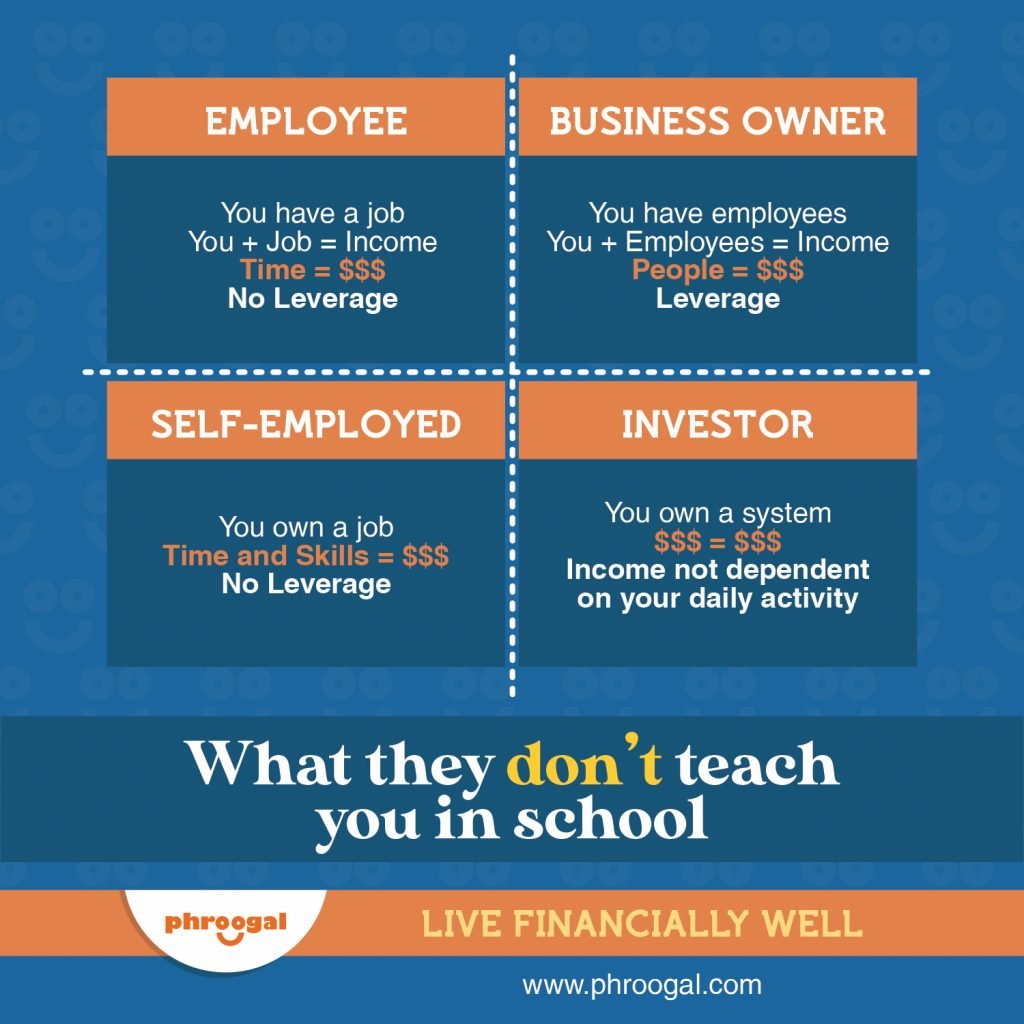
How Do You Earn Money?
Earning money is straightforward: you exchange your time and skills for income.
- Employees earn money through salaries or hourly wages.
- Freelancers and gig workers earn by completing tasks, designing logos, delivering packages, or driving rideshare.
While education, experience, and networking can increase your hourly rate or salary, your income remains tied to your time. And time is limited. You can’t work 25 hours in a day, no matter how much you want to.
That’s why your earning potential has a ceiling. To boost your earnings, you typically need to:
- Increase your value (through skills, education, or certifications).
- Negotiate higher pay for your time.
- Switch roles or employers for better compensation.
- 👉 Read: Get Paid What You Deserve
- 👉 Learn: 50 Active Income Ideas to Earn Extra Cash
- 👉 View: Earn Money Pillar for more ideas.
How Do You Make Money?
Making money removes the direct tie between your time and income. It’s about creating something—whether a product, service, or system—that continues to generate revenue.
Some examples include:
- Selling a book or self-publishing an eBook.
- Creating an online course that students can purchase again and again.
- Building a print-on-demand store or licensing your creative work.
- Renting out real estate or earning dividends from investments.
Yes, you’ll invest time upfront to create and promote these assets. But once they’re in place, they keep generating income with far less daily involvement. Best of all, there’s no cap—you’re not limited by how many copies of a book you can sell or how many times your course can be purchased.
Want inspiration? Read: Passive Income Ideas to Make Money or 37 Creative Ways to Supplement Income
👉 View: Grow Money Pillar for more ways to make money work for you.
Can Earning Money Lead to Making Money?
Yes. In fact, it often does.
Imagine you’re a freelance designer creating logos for clients. At first, you’re earning money directly for your work. But as your demand grows, you hire another designer to take on projects. You charge clients $100 per logo and pay your designer $60. That $40 profit is money you made without using more of your own time.
This is where people often use the phrase passive income. And while most income streams still require effort, the important shift is this: your earnings are no longer tied entirely to your active involvement.
Can You Make Money Using Other People’s Money?
Absolutely—that’s called leverage.
Leverage means using borrowed money from an individual or financial institution to make an investment that generates profit.
For example:
- You buy a property with a $200,000 mortgage.
- Later, you sell it for $240,000.
- That $40,000 gain was made using borrowed money.
Leverage can accelerate your wealth-building, but it also carries risk—so it’s important to use it wisely.

Why Earning Money vs. Making Money Is So Important
Here’s why this distinction matters: it can determine whether you achieve financial independence.
Financial independence happens when your income consistently covers your living expenses without relying solely on your job. At that point, work becomes optional. You gain time wealth—the freedom to choose how you spend your days.
The goal isn’t just to earn money, but to generate income streams that reclaim your time.
If you’ve ever felt stuck because “it takes money to make money,” start shifting your perspective. The money you’re earning today can become the tool for making more money tomorrow.
The key is to:
- Use your earned income wisely.
- Invest in opportunities that create additional income streams.
- Build toward a life where your time and choices are truly your own.
By bridging the gap between earning money and making money, you’ll move closer to financial independence—and gain the freedom to design life on your terms.
Smile Money Takeaway: Earning money pays today’s bills. Making money builds tomorrow’s freedom. The sooner you learn to combine both, the faster you’ll unlock true financial independence.
